#12 – Managua


nicaragua_2002

Nicaragua

Completed: 2002

The Water Team again ran in World Vision’s Fun Run in Vancouver B.C. and we raised enough money to build a water well in Nicaragua.

In 2002 we built a water well at a school in Nicaragua through World Vision. In 2003 we started to sponsor a child in that village – so we would have a connection to the village and be able to followup the progress of the water well. Ezequiel Sequerira Salgado (born in 1993).

Each year we communicate several times and until 2010, there were no problems with the well.  In 2010 there developed a problem with the pump.  But after a new part was bought and installed, the report came back from Ezequiel that everything is working well again, and the school once again has clean accessible water.
#8 – Mdunga/Kasiya


malawi_2000
Malawi

Completed: 2000

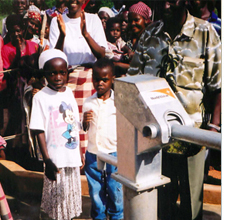
We partnered with World Vision to build a water well in the Mdunga/Kasiya area. We sponsored a child in the same village, Patricia Sikelo, so we could follow-up on the progress of the village and the maintenance of the well. Although she was only 5 years old, Patricia was able to report that “life is better with a water well”

Update note: In 2009 Patricia let us know her well was “not working”. We made arrangements with World Vision and for only $972.36 it was fixed and a committee put in charge of it.

#7 – Quebrada Seca


quebrada-seca_guatemala

Guatemala

Completed: 1999

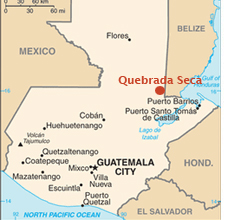
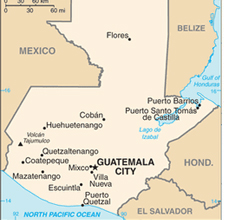
Partnered with World Vision to help build a water pipeline project to bring clean water to the villagers in Quebrada Seca. Before the clean water came our foster child, Arceli Diaz Diaz, suffered from parasites. After the pipes brought the clean water to the village, she recovered.

#6 – Mdunga/Kasiya, Malawi


malawi_mackson_1997

Malawi

Completed: 1997

1998 – Partnered with World Vision to build a water well for our foster child Mackson Mwase in Malawi. We learned that 60% of the population in his area (Mdunga/Kasiya – about 164 km from the capital, Silongwe ) were drinking water from unsafe sources and getting sick from bacteria and Parasites. Many people were experiencing diarrhea, dehydration and even death. Mackson himself was sick.

After the bore hole was drilled the community did a traditional dance for us with great cheering for the assistance they received. With the clean water they noticed that people were no longer getting sick and dying. Mackson recovered and went on to secondary schooling.

The community has been trained to maintain the borehole by learning how to make repairs to ensure sustainability. The borehole serves 500 families each with an average of 5 children each (2500 people). Plus it is near a Primary School serving about 1200 pupils.

#5 – Mdunga/Kasiya, Malawi


malawi_chikondi_1997-1

Mdunga/Kasiya, Malawi

Completed: 1992

Partnered with World Vision to install a water well in the village of our foster child Chikondi Mbaluku in Mdunga/Kasiya ADP. Chikond’s village is 164 kms away from the capital city of Lilongwe. . A study showed that before the well was built , only 7% of the population had safe water to drink. 47% of the deaths were attributed to contaminated water.

World Vision did a geotechnical survey to choose the location of the well. The well was drilled to a depth of 45 meters. The pump was installed and the village was trained in how to maintain the system.

Update note: We heard from Chikondi in 2010 that the borehole needed spare parts and repairs. After much emailing back and forth with World Vision, Chikondi informed that “the repairs on the borehole have been done . Now I have all the clean water I need. So I should have to thank you very much for your great effort.”

#3 – Abwor


uganda

Northern Uganda

Completed: 1996

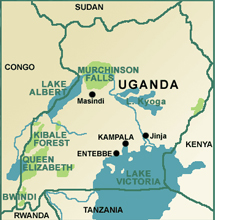
Partnered with Water Can to build a water well in the village of Abwor in Northern Uganda. 264 villagers benefited from this clean water source. The villagers provided the labour, bricks and sand. A Water source Maintenance Committee was set up to “ensure that the water source is kept functional and users are carrying out good hygiene practices in order to maintain the “safe water chain” which involves the philosophy of keeping water clean from the source to the home and while being used in the home.”